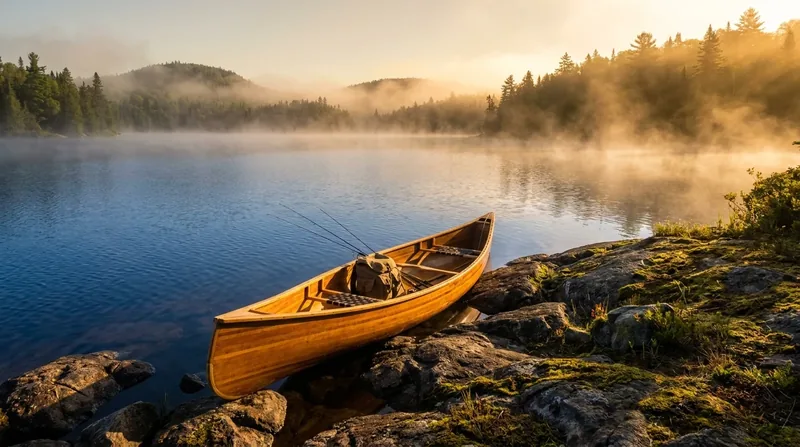
How to Start a Hunting Outfitter or Fishing Guide Business in Illinois
How to Start a Hunting Outfitter or Fishing Guide Business in Illinois
Illinois attracts hunters and anglers from across the country, drawn by productive public lands, extensive waterways, and diverse game species. If you have the expertise and want to build a business guiding others, starting a hunting outfitter or fishing guide operation requires navigating state licensing, federal compliance, liability protection, and business registration. This guide walks you through each step so you can launch legally and professionally.
What You Need to Know Before You Start
Operating as a hunting outfitter or fishing guide in Illinois is not a casual side job. The state requires specific permits, proof of professional liability insurance, and compliance with the Illinois Department of Natural Resources (IDNR). You will also need to register a formal business entity and file state tax documents. The process is straightforward if you follow the steps in order, but overlapping deadlines and agency requirements mean you should plan ahead.
This content is informational only, not legal or tax advice. Consult a qualified attorney and CPA before launching your business to ensure you meet all requirements for your specific situation.
Step 1: Choose Your Business Structure
Before you apply for any permits, you must decide how to structure your business legally. The two main options are an LLC or a corporation.
Limited Liability Company (LLC): This is the most common choice for small outfitter and guide operations. An LLC protects your personal assets from business liabilities (such as a lawsuit), offers flexible tax treatment, and requires minimal ongoing paperwork. To form an LLC in Illinois, file Articles of Organization with the Illinois Secretary of State online at https://apps.ilsos.gov/llcarticles/index.jsp. The filing fee is $150 for standard 10 business day processing ($250 for 24 hour service). You will need a unique business name that includes "Limited Liability Company," "LLC," or "L.L.C." and must appoint a registered agent with an Illinois street address (a P.O. Box alone is not acceptable).
Corporation (S-Corp): Some guide operations elect corporate status for tax purposes, especially if they expect consistent annual income. Forming a corporation requires filing Articles of Incorporation ($150 fee), but it adds complexity and ongoing compliance costs (annual report, $75 fee). Unless your CPA advises it, an LLC is usually the better choice for a startup guide business.
Step 2: Obtain Your Hunting or Fishing License and Certifications
IDNR sets qualifications for both outfitters and the guides they employ. An outfitter must be at least 21 and must not have had a hunting license revoked or hunting privileges suspended in the past five years. Each guide must meet the same five-year rule and hold the following:
- Illinois Hunting License: Required if you guide hunters. Purchase this from the IDNR website or any licensed vendor. Cost varies; confirm the current fee on the IDNR website.
- Illinois Fishing License: If you fish while guiding, confirm with IDNR which license you and your clients need. Cost varies by license type; check the IDNR website for current rates.
- Habitat Stamp: Illinois requires all hunters to buy an annual habitat stamp when they purchase a hunting license. This is mandatory for guides.
- Hunter Safety Certification: Guides must have completed an approved hunter safety course. If you took the course as a youth or adult, you likely already have this certification. If not, enroll in a course offered by IDNR or approved providers before applying for your permit.
- First Aid Certification (Recommended): While not always mandatory by law, clients expect their guide to know wilderness first aid. Certification from the Red Cross or similar provider strengthens your credibility and protects you in emergencies.
Gather copies of all certifications and licenses before you proceed to the IDNR permit application.
Step 3: Apply for Your IDNR Outfitter or Fishing Guide Permit
This is the critical state-level permission. Illinois separates hunting outfitter permits by the type of game you will guide.
IDNR Hunting Outfitter Permits (Deer, Turkey, and Waterfowl):
- Class A (Deer and Turkey): $500 for Illinois residents, $2,500 for nonresidents. This permit covers outfitting services for white-tailed deer and wild turkey hunting on private or leased lands.
- Class B (Waterfowl): $250 for Illinois residents, $1,500 for nonresidents. This permit covers guiding for ducks, geese, and other waterfowl.
- Age requirement: You must be at least 21 years old to hold an outfitter permit.
- Liability insurance: Proof of commercial liability insurance for property damage, personal injury and death with a minimum benefit of $1,000,000 is required (except for applicants whose sole activity is arranging hunts on property controlled by others). You must also submit a list of the guides you will employ. Contact insurance brokers who specialize in outdoor recreation; your homeowner's policy will not cover business operations.
- Application period: IDNR accepts applications from January 15 to July 15 each year. Plan to submit your application well before the July 15 deadline.
Fishing Guides: IDNR outfitter permits cover only deer, wild turkey and waterfowl hunting. Confirm directly with IDNR whether any state permit applies to your fishing guide business before you start.
Lake Michigan Charter Boat Operations: If you plan to operate a charter boat on Lake Michigan or other large bodies of water, the U.S. Coast Guard requires you to hold a captain's license. Contact USCG District Office or an approved testing facility for licensing requirements and exam schedules. This is separate from your IDNR permit and can take several weeks to complete.
Contact the Illinois Department of Natural Resources at their main office or visit their website to download the correct permit application forms, confirm current fees, and learn about any changes to regulations.
Step 4: Secure $1,000,000 Liability Insurance
IDNR requires proof of liability coverage with your application and each annual renewal, unless you only arrange hunts on property controlled by others. Obtain a quote from insurance brokers who work with outfitters, hunting operations, or outdoor recreation businesses. Expected cost is several hundred to over a thousand dollars per year, depending on your operation size, location, and claims history. Request that your insurance agent send the Certificate directly to IDNR so there is no delay in your permit approval.
Step 5: Register Your Business with Illinois Secretary of State
If you have not yet formed your LLC or corporation, file the formation documents now with the Illinois Secretary of State at https://www.ilsos.gov/departments/business-services.html. You will receive a filing confirmation once the filing is processed (10 business days for standard online filing).
If your business will operate under a name that differs from your LLC or corporation name, you must also file an Assumed Name (Assumed Business Name) with the Secretary of State. For example, if your LLC is "Autumn Hunting Guides LLC" but you want to do business as "Prairie Gold Outfitters," you must file the assumed name. The fee is prorated: $150 for each year or part thereof ending in 0 or 5, down to $30 for years ending in 4 or 9.
Step 6: Register for State Taxes and Obtain Your EIN
Contact the Illinois Department of Revenue to register your business for Illinois state income tax. Small businesses can register online through MyTax Illinois (Form REG 1) at https://tax.illinois.gov/businesses/registration.html. Registration is free and typically processes in one to two business days online.
You will also need a federal Employer Identification Number (EIN) from the IRS if you have employees or a multi-member LLC, and most banks ask for one to open a business account. Apply for an EIN online at irs.gov (search "Apply for an EIN"). It is free and takes just a few minutes. Your EIN is required to open a business bank account and file federal tax returns.
Illinois imposes a personal property replacement tax on pass-through entities (such as most LLCs). The rate is 1.5 percent on net income. Partnerships (including multi-member LLCs) and S corporations may also elect the optional 4.95 percent pass-through entity tax. Discuss these options with your CPA to determine the best tax structure for your income level.
Step 7: Set Up Your Operations and Marketing
Once permits and registrations are in place, you can begin actively guiding clients. Create a professional website or social media presence, establish pricing, and build your client base through referrals, online reviews, and outdoor media. Many successful outfitters rely on word-of-mouth recommendations from satisfied clients and partnerships with local lodges or tourism boards.
Maintain detailed records of every client trip, including dates, weather, catch or harvest, and client names. These records protect you in disputes and help you improve your service over time. Also keep receipts for all business expenses to support tax deductions and demonstrate legitimate business operations if ever audited.
Tips for Success and Common Mistakes to Avoid
Start your application early: The IDNR application window closes July 15. Applications received after July 15 may not be processed by September 1, and the permit year runs July 1 to June 30. Begin your preparation by January to allow time for license acquisition, liability insurance quotes, and business formation.
Verify all requirement details with IDNR directly: Regulations change, and some details (especially for fishing guides) are subject to regional variation. Confirm fees, deadlines, and required documentation before you spend money or time on applications.
Do not start guiding clients before your permit is approved: Operating without a valid IDNR permit is illegal and can result in fines, permit denial, and legal liability. Wait for written approval before accepting your first client payment.
Renew your permits and licenses on time: Set calendar reminders for renewal deadlines. Letting a license or permit lapse stops your business until you reapply, which can take weeks.
Update your liability insurance: Notify your insurance company immediately if you expand into new game species, add new guiding areas, or increase your client capacity. Insufficient coverage is as bad as no coverage.
Separate personal and business finances: Use a dedicated business bank account to track income and expenses. This simplifies taxes and protects your LLC's liability shield if a dispute arises.
Expected Timeline and Results
If you start your preparation in January, you can reasonably expect to have all permits, licenses, and business registrations in place before the permit year begins July 1. Confirm current processing times with IDNR.
Once approved, you can legally accept clients, charge fees for guiding services, and operate your business. Your business structure protects your personal assets from liability claims (though professional liability insurance is your primary protection). Over time, a well-run guide business can generate steady income, build a loyal client base, and establish a reputation as a trusted expert in Illinois hunting and fishing.
Disclaimer
This article is informational only and does not constitute legal, tax, or business advice. Hunting outfitter and fishing guide regulations in Illinois are set by the Department of Natural Resources and are subject to change. Before starting your business, consult an Illinois-licensed attorney to ensure your business structure, contracts, and liability protections are appropriate for your situation. Also work with a CPA or tax professional to understand your state and federal tax obligations. The fees, deadlines, and requirements listed here were accurate as of October 2026 but may change; verify all details directly with the Illinois Secretary of State, Illinois Department of Natural Resources, and Illinois Department of Revenue before proceeding.