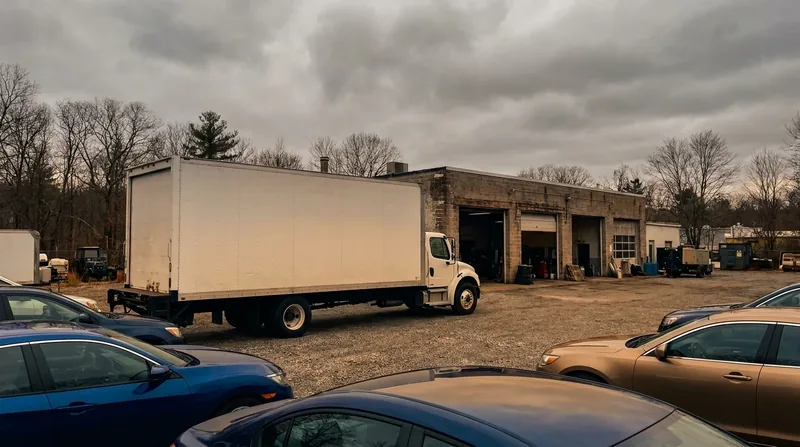
How to Get a Car Dealer License in Illinois
How to Get a Car Dealer License in Illinois
Selling cars in Illinois without a dealer license is illegal if you plan to sell five or more vehicles per year. Whether you're starting a used car lot or expanding into vehicle sales, understanding Illinois car dealer license requirements is essential. This guide walks you through the exact steps, costs, and requirements to get licensed with the Illinois Secretary of State.
Do You Need an Illinois Dealer License?
Under Illinois law (625 ILCS 5/5-102), you need a used vehicle dealer license if you intend to sell five or more motor vehicles in a 12-month period. This applies even if vehicles are your side business. Check 625 ILCS 5/5-102 and the Secretary of State for the limited exemptions that exist.
If you sell four vehicles or fewer per year, you don't legally require a dealer license. However, if there is any possibility you will exceed this threshold, obtaining a license proactively is wise to avoid violations.
What You'll Need Before You Apply
Preparing the following materials and meeting these qualifications before you submit your application will speed up the process significantly:
- A physical place of business in Illinois: This must have a street or road address (P.O. Box is not acceptable). The address is where your records will be kept and where the public can find you during posted business hours.
- A $50,000 surety bond per location: The bond is conditioned on proper transmittal of title and registration fees and taxes collected from buyers. A bond (or a $50,000 Certificate of Deposit) must be included with your application.
- Proof of liability insurance: You must carry bodily injury coverage of at least $100,000 per person and $300,000 per accident, plus property damage coverage of $50,000. Insurance must be in force before you obtain your license.
- Pre-licensing education completion: Illinois requires all dealer applicants to complete a pre-licensing education course. Confirm approved providers, course length, and cost with the Secretary of State.
- Proof of identity: A current photo ID (driver's license, passport, etc.) showing your legal name and current address.
- Application fee: $1,000 for the first established place of business. Additional locations cost $50 each (or $500 and $25 respectively if you apply after June 15 of any calendar year).
- Dealer Recovery Fund fee: $500 plus $50 per additional location ($250 and $25 after June 15). Dealers selling 25 or fewer automobiles do not pay this fee.
Step-by-Step: How to Get Your Illinois Car Dealer License
Step 1: Complete Your Pre-Licensing Education Course
Before you submit your application to the Illinois Secretary of State, you must complete an approved pre-licensing education course. These courses cover Illinois motor vehicle dealer laws, consumer protection, ethical sales practices, and business record requirements. Most providers offer online courses that you can complete on your own schedule. Upon completion, you'll receive a certificate of completion. Keep this certificate; you'll need to submit it with your application.
Ask the Secretary of State for the list of approved prelicensing programs, their length, and cost.
Step 2: Obtain Your Surety Bond
Contact licensed bonding companies in Illinois to purchase a $50,000 surety bond for each physical location where you'll sell vehicles. The bonding company will review your credit and background before issuing the bond, and the premium depends on your credit and the company's rates.
The bond (or Certificate of Deposit) is part of the application itself, so have it in hand before you apply. It must run at least through December 31 of the license year.
Step 3: Secure Business Liability Insurance
Obtain a business liability insurance policy that meets Illinois requirements before submitting your application. You'll need at least $100,000 bodily injury per person, $300,000 bodily injury per accident, and $50,000 property damage coverage. Contact insurance brokers who work with auto dealers; they understand the specific coverage requirements. Premiums depend on the number of vehicles you plan to sell and your business location.
Request a certificate of insurance from your provider to include with your application materials.
Step 4: Prepare Your Physical Dealership Location
Illinois requires your dealership to have a permanent, fixed office at a street address in Illinois where your business records are kept and maintained. The location must be accessible to the public during posted business hours. You must post your dealer license and business hours in a conspicuous location at the premises. Ensure you have adequate space for maintaining records, negotiating with customers, and displaying signage.
If you plan to operate multiple locations, each location must meet these same requirements and will trigger an additional $50 application fee per location ($25 after June 15), plus $50 in Dealer Recovery Fund fees if you owe that fee.
Step 5: Complete the Dealer License Application
Get the used vehicle dealer license application from the Illinois Secretary of State's dealer licensing unit (the Business Services department handles entity filings, not dealer licenses). Confirm current submission options with the department. Complete the application with accurate information including:
- Your legal name and contact information
- Your dealership name and physical address
- Details of all additional locations (if applicable)
- Your pre-licensing course certificate number
- Your bond information and bonding company name
- Your insurance policy number and coverage details
Double-check all information before submitting. Errors or omissions will delay your application.
Step 6: Submit Application Fees
Submit the required fees with your application. As of 2026, the standard fee structure is $1,000 for your first established place of business plus $50 for each additional location. You'll also owe the Dealer Recovery Fund fee of $500 plus $50 per additional location, unless you sell 25 or fewer automobiles, in which case you owe none. For a single location applying before June 15, state fees total $1,500, or $1,000 if you are exempt from the recovery fund fee.
Confirm accepted payment methods with the Secretary of State. Keep copies of all receipts and payment confirmations.
Step 7: Await Application Review and Approval
The Secretary of State will review your application and verify all supporting documents. Ask the Secretary of State for current review times. During this time, the state will confirm that your bond is in place, your insurance is active, and your pre-licensing education has been completed.
If any information is missing or incorrect, the Secretary of State will contact you to request corrections or clarifications. Respond promptly to any requests to avoid delays.
Step 8: Receive Your Dealer License
Once approved, you'll receive your official dealer license by mail. This license must be posted conspicuously at your dealership location during all business hours. Display it where customers can easily see it. You are now authorized to buy and sell vehicles in Illinois, provided you comply with all consumer protection laws, record-keeping requirements, and disclosure rules.
Ongoing Compliance Requirements
Obtaining your license is only the first step. Illinois dealers must comply with several ongoing requirements:
- Maintain detailed sales records: Keep records of every vehicle purchase and sale, including vehicle identification numbers, purchase prices, sale prices, customer names, and dates of transactions.
- Renew your bond and insurance annually: Your surety bond and liability insurance must remain in force at all times. Non-renewal will result in automatic license suspension.
- Post your license at the dealership: The license must be visible to customers during all business hours.
- Comply with warranty and disclosure laws: Illinois law requires dealers to provide specific disclosures about vehicle condition and warranty coverage to customers.
- Handle title and registration transfers correctly: You must properly transfer titles and assist customers with registration. Improper handling is a frequent violation.
- Avoid unfair or deceptive practices: Illinois consumer protection law prohibits misrepresenting vehicle condition, mileage, accident history, or other material facts.
Tips to Avoid Common Mistakes
Don't start selling before your license arrives: Operating without a valid license is illegal, even if your application is pending approval. Wait for the official license to display before you sell your first vehicle.
Don't use a P.O. Box as your dealership address: Illinois requires a street or road address. A mailbox center or virtual office is not acceptable. You must operate from a physical, inspectable location.
Don't let your bond or insurance lapse: A lapsed bond or expired insurance will suspend your license immediately. Set calendar reminders to renew both 30 to 60 days before expiration.
Don't skip record-keeping: Detailed, accurate records are essential. Dealers are audited regularly, and poor record-keeping is a common cause of license suspension or revocation.
Don't misrepresent vehicle condition: Be transparent about a vehicle's history, mechanical condition, and accident history. Misrepresentation is grounds for license revocation and civil liability.
Don't ignore the pre-licensing requirement: Some applicants try to skip this step or use an invalid certificate. The state will catch this and deny your application.
What to Expect: Timeline and Total Cost
Here's what to expect to pay:
- Pre-licensing education course: set by the provider
- Surety bond (first year): premium on a $50,000 bond per location
- Liability insurance (annual): quoted by your insurer
- Secretary of State license and recovery fund fees: $1,500 for one location before June 15 ($1,000 if you sell 25 or fewer automobiles)
Licenses expire December 31 each year, so plan for the annual renewal fee, bond and insurance renewals, and records management.
When to Consult a Professional
If you plan to operate multiple locations, buy inventory on credit, or navigate complex corporate structures, consult an attorney who specializes in motor vehicle dealer law. If you're unsure about your tax obligations or business structure, consult a CPA familiar with auto dealer operations. An attorney and CPA can help you avoid costly compliance mistakes and set up your business correctly from the start.
The Illinois Secretary of State's dealer licensing unit can answer questions about the application process. Dealer licensing itself is handled by the Secretary of State, not IDFPR.
Disclaimer
This article is informational and does not constitute legal or tax advice. Dealer licensing laws are complex and subject to change. Illinois dealer license requirements, fees, and processes described here were accurate as of October 2026, but you should verify current requirements with the Illinois Secretary of State at https://www.ilsos.gov/departments/business-services.html before submitting your application. Consult a qualified attorney and accountant for advice specific to your situation.
Key Takeaways
- You need an Illinois dealer license if you sell five or more vehicles per year.
- Complete your pre-licensing education before applying.
- Secure a $50,000 surety bond per location and liability insurance meeting state minimums.
- Apply to the Secretary of State with all required documents and fees ($1,500 for one location before June 15, or $1,000 if exempt from the recovery fund fee).
- Maintain your bond, insurance, and records to keep your license active.
- Plan for education, bond, insurance, and licensing fees in your first-year budget.
- Consult an attorney and CPA if operating multiple locations or navigating complex scenarios.
Keep exploring: related Illinois guides
- How to Open a Vape or Tobacco Shop in Illinois
- How to Get a Video Gaming License in Illinois
- How to Open a Pawn Shop in Illinois Under the 2024 Pawnbroker Act
- Opening a CBD or Hemp Store in Illinois After the 2026 Delta-8 Ban
- How to Start an LLC in Illinois
- Illinois Business License
- How Much Does It Cost to Start a Business in Illinois
- All Illinois business types
- Every Illinois guide in one place